Immigration Realities Are No Longer Distant: A Call to the Church
For decades, immigration policies and enforcement were often seen as issues confined to border regions. Conversations about immigration were tied to faraway places like the Rio Grande Valley, El Paso, or San Diego. But today, the reality is shifting. Immigration enforcement and ICE operations are not only taking place at the border but are present in cities, suburbs, and small towns across the United States.
Communities once far removed from the complexities of migration now find themselves wrestling with the same questions border communities have faced for decades:
How do we respond when families in our neighborhood are impacted by deportation?
What happens when detention centers or ICE raids appear in our cities?
How do we live out our faith when our immigrant neighbors feel fear and uncertainty?
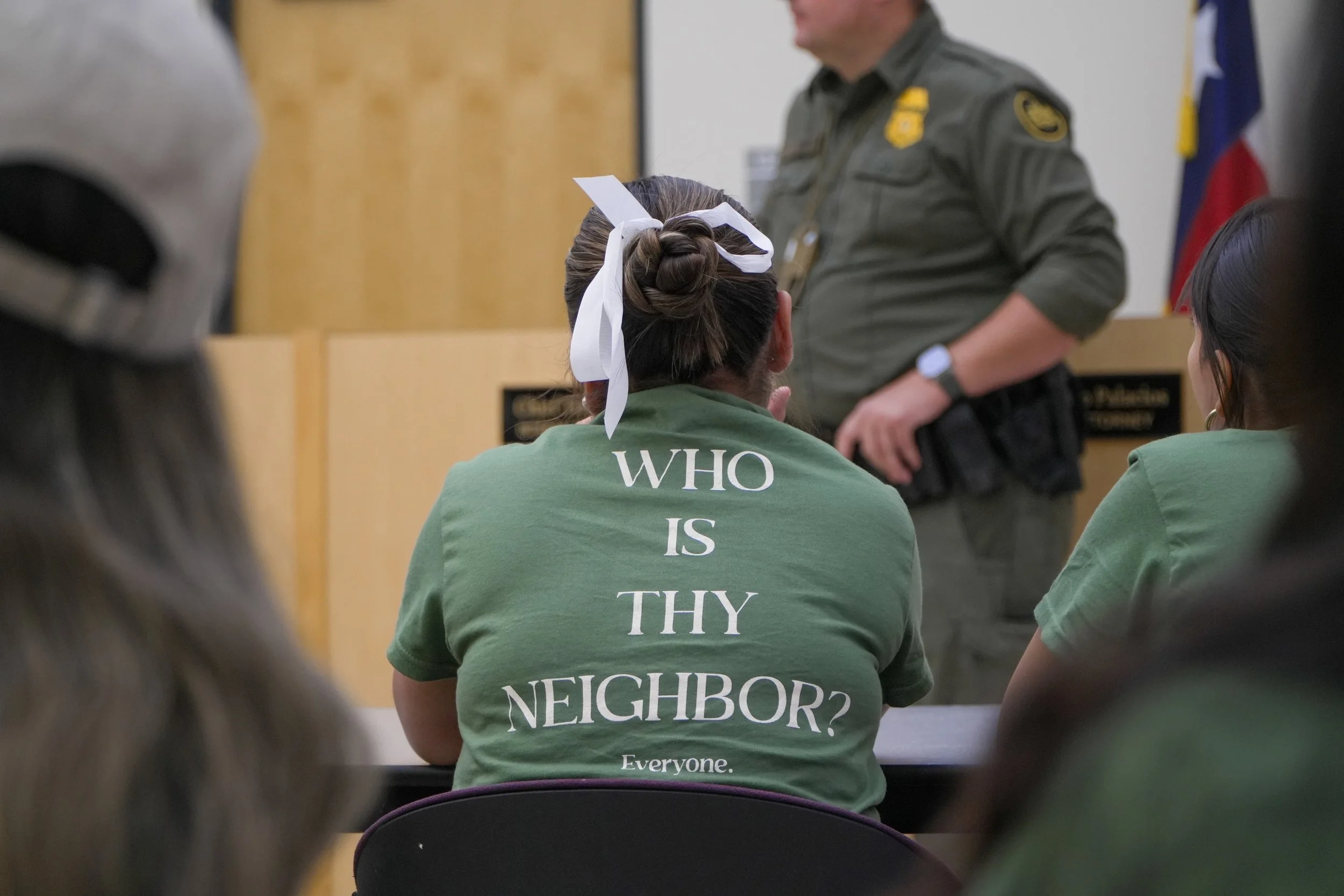
This growing presence of ICE and the expansion of immigration enforcement has given the entire nation a glimpse into what life on the border has long revealed: immigration is not just a policy issue, it is a deeply human reality. It impacts our families, neighborhoods, schools, and churches.
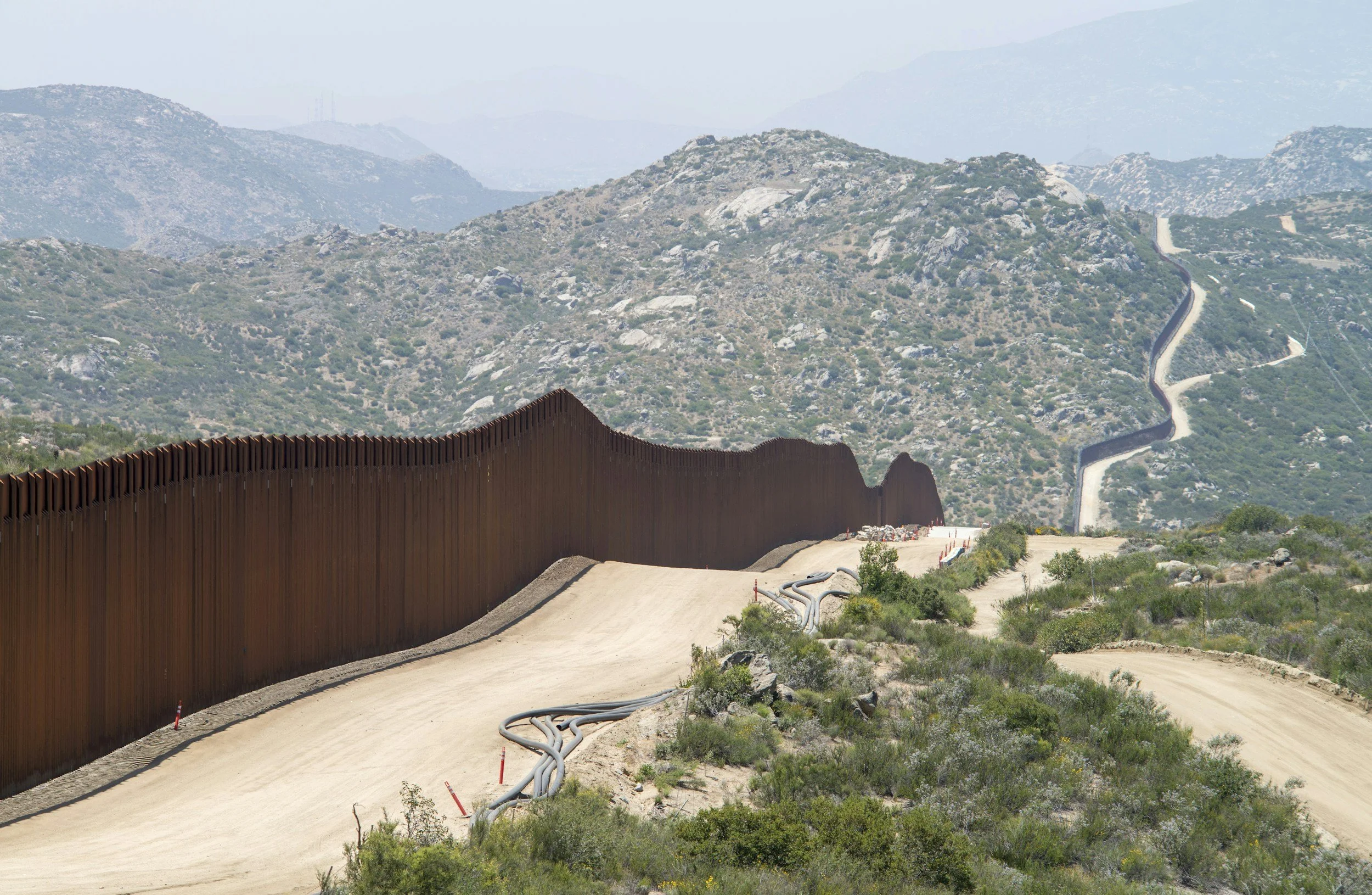
What’s happening across the United States shows us something profound: the border is no longer just a line separating two countries. Immigration debates and enforcement realities are drawing new borders, ones that divide families, neighborhoods, and even churches. Fear and political rhetoric have created spiritual and relational borders that threaten to separate God’s people from one another.
At Border Perspective, we believe these are the very places the Church must step into. We are committed to journeying alongside communities of faith as they seek to engage immigration in ways that are rooted in the gospel. We believe the Church can be a place where these divisions are healed, where neighbors encounter one another with dignity, and where reconciliation becomes a lived reality.

This is not a time for the Church to retreat in fear or to distance itself from immigrant communities. Instead, this is a time to lean in, to be present, to listen, to serve, and to embody the love of Christ.
Scripture reminds us: “You shall treat the stranger who sojourns with you as the native among you, and you shall love him as yourself.” – Leviticus 19:34
The witness of the Church has always been strongest when it draws close to those on the margins, when it sees the image of God in those who are most vulnerable, and when it practices faithful presence in the midst of tension and uncertainty. This has been true since the days of the early church, when Christians became known across the Roman Empire for welcoming the stranger (Matthew 25:35), caring for widows and orphans (James 1:27), and even risking their own lives during plagues to serve those who were abandoned. Their faithful presence in the face of fear revealed the heart of Christ to a watching world (John 13:35).
Our call to peacemaking matters now more than ever. Borders are not just physical, but as we are experiencing, they are also the cause of spiritual and political division. Borders show up in our conversations, in our relationships, and even in our congregations. So how should we respond when the gospel calls us to cross these borders with love, humility, and reconciliation?
Paul reminds us in Ephesians 2:12–16 that we were once separated, “alienated from the commonwealth of Israel and strangers to the covenants of promise.” But through Christ, those who were far off have been brought near. “For He Himself is our peace, who has made us both one and has broken down in His flesh the dividing wall of hostility… that He might reconcile us both to God in one body through the cross.”
This vision of reconciliation is not abstract, it is the heartbeat of the gospel. Just as Christ broke down the walls of division between Jew and Gentile, the Church is called to cross the borders of fear, politics, and prejudice to embody His peace in a divided world.
At Border Perspective, we aren’t just about raising awareness, we want to walk with people of faith as they live this out. Here are three ways to start:
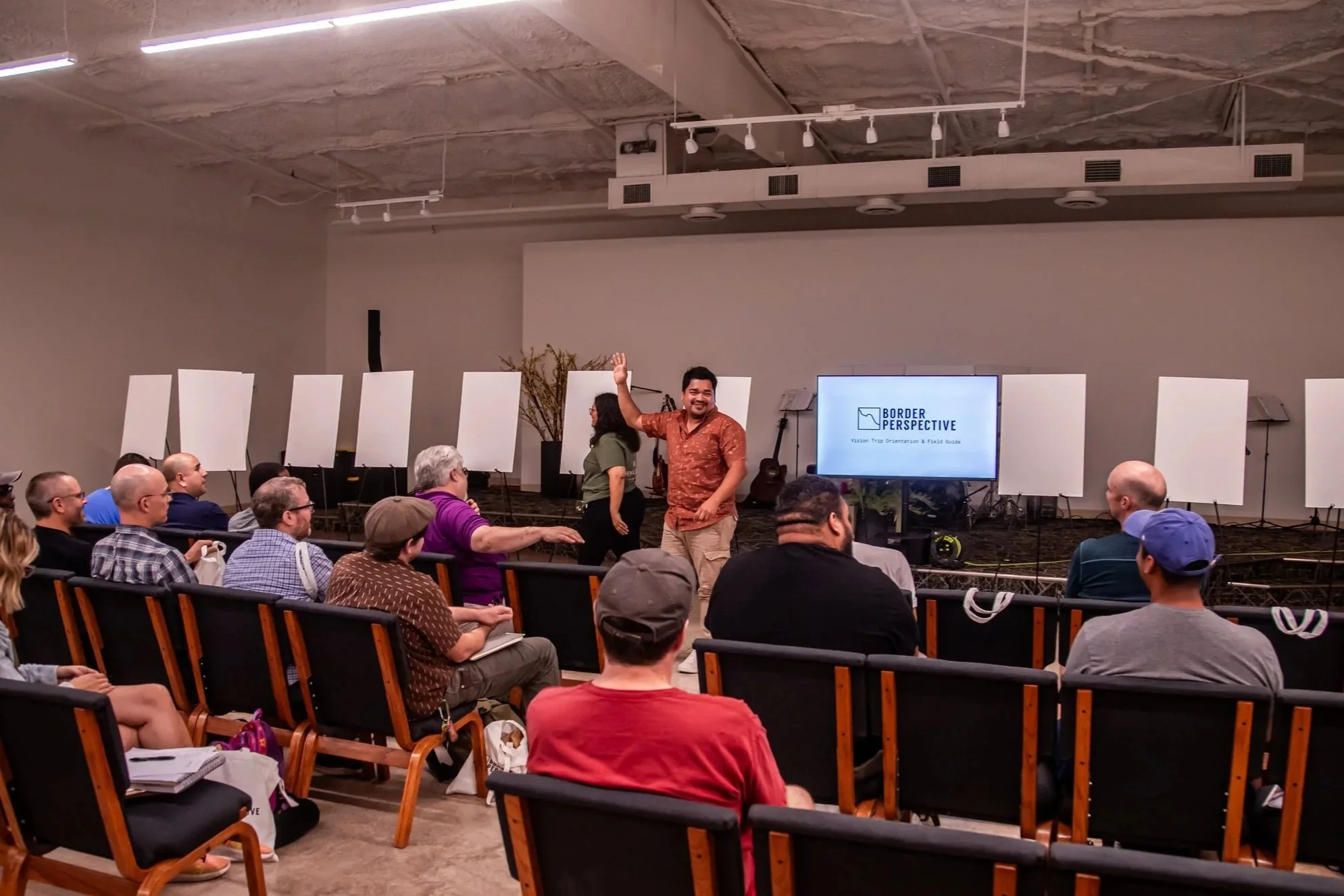
Learn: Invite your church to host a conversation or training with Border Perspective on immigration, peacemaking, and faithful presence.
Experience: Bring a group on a Service-Learning Trip to the border, where you can listen, serve, and reflect together on what God is doing through immigrant communities.
Engage: Begin building intentional relationships with immigrant neighbors in your own community, and let us help equip you with practical tools and resources.
This is a time for the Church to lead with courage, compassion, and conviction. Not to step away, but to step deeper into the lives of those God has placed right at our doorsteps.
And we at Border Perspective are ready to journey with you.